Parish Mass Times
NOTE NEW MASS TIMES ON SUNDAY’S
Sunday Vigil Mass Saturday: 4:30 PM
Sunday 9:00 AM, 11:00 AM (Polish) and 5:30 PM
Weekdays
Monday: Novena with Mass at 7:00 PM
Tuesday: Morning Mass at 7:00 AM in English
Wednesday: Novena with Mass at 7:00 PM in Polish
Thursday: Morning Mass at 7:00 AM in English
Friday: Morning Mass at 7:00 AM in English
Saturday: Morning Mass at 8:00 AM in English
First Friday: 7:00 AM Mass in English followed by the Litany to the Sacred Heart of Jesus.
7:00 PM Mass with Novena to Our Lady of the Miraculous Medal Every Monday (Rosary at 6:45 PM) in English.
7:00 PM Mass with Novena to our Lady of the Miraculous Medal Every Wednesday (Rosary at 6:45 PM) in Polish.
Divine Mercy Devotions: Every third Sunday at 3:00 PM – Be sure to check the bulletin for more information.
Sacrament of Reconciliation
Confession is heard before Weekday Mass and on Saturdays at 3:30 PM
CELEBRATION OF THE MASS – Live Stream Schedule
We are now everywhere you are!
Join us, virtually, as we Celebrate the Holy Mass:
WEEKLY SCHEDULE:
Saturday, 08November2025 here on our Facebook page. See the bulletin or our Saint Michael’s website for more information.
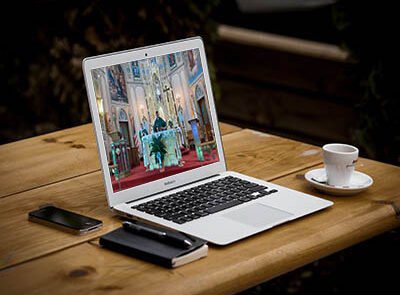
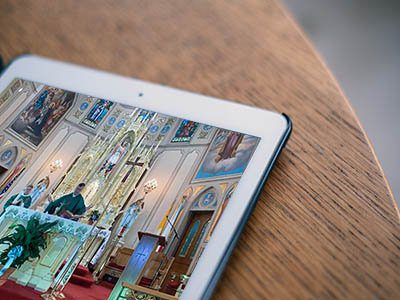
Join us live or virtually! We are now everywhere you are. Join us by cell phone, tablet or laptop!
Note that all Live Streamed Masses are available afterwards so you can view them at your convenience)
The Masses will be live streamed on Facebook. Please stay tuned to our Facebook page for updates.
God bless you all! We continue to pray for you.
Deacon Bob
St. Michael’s Church Facebook Page
Stay tuned for more information on upcoming Live Stream events on Facebook. Go to the Facebook page now using the link above and “Like” the page to receive notices of these events.
Thank you for considering a contribution to the
2025 Archbishop’s Annual Appeal.
Join Us On Facebook
St. Michael's Church Derby
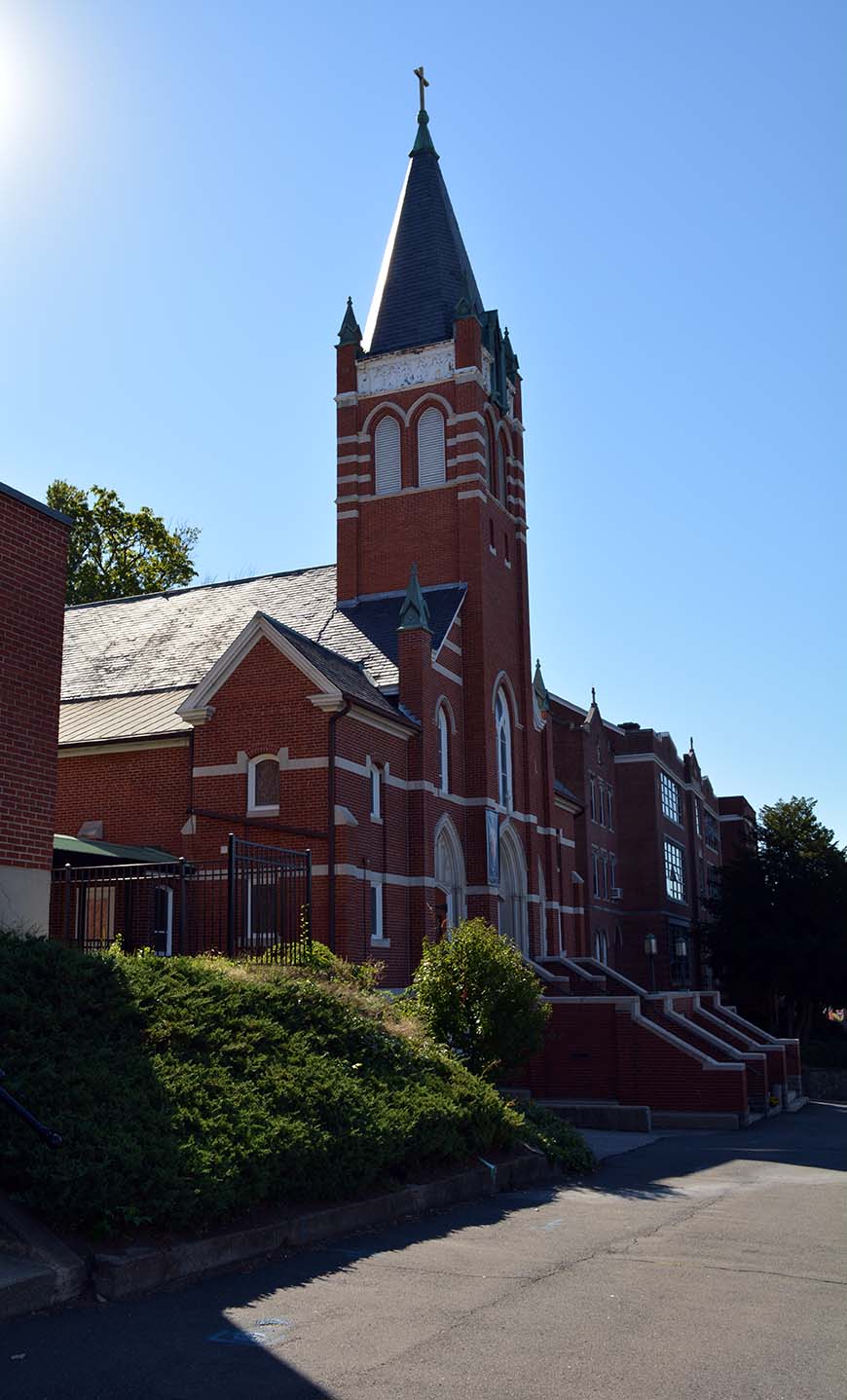
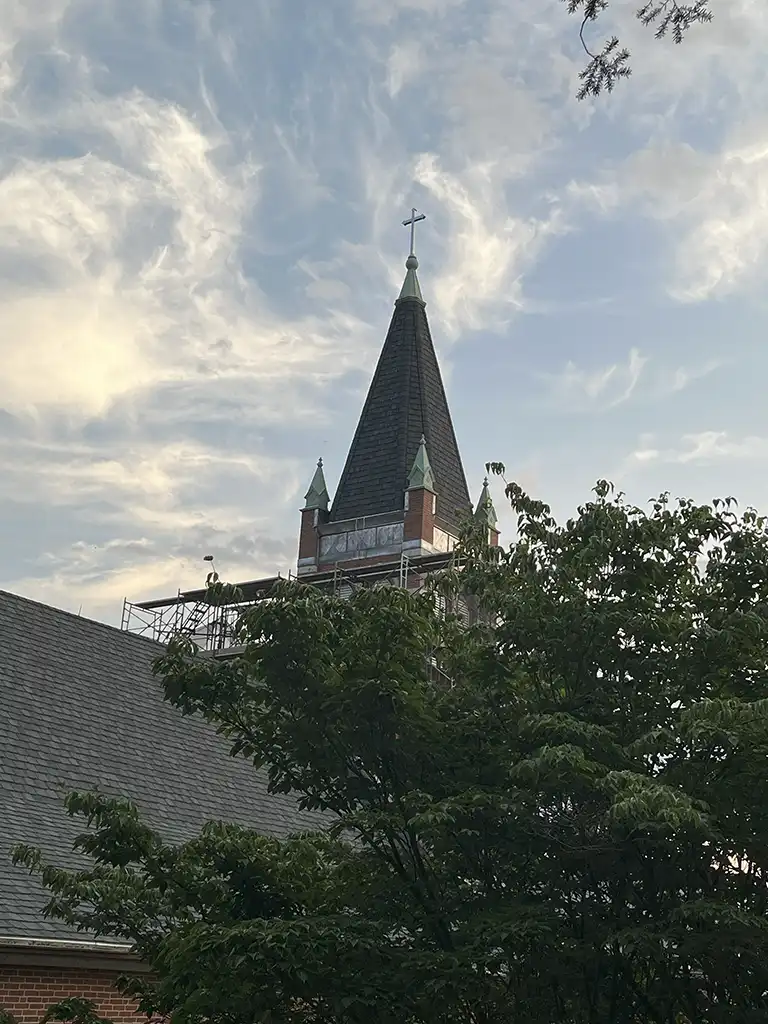
St. Michael Church is located in Derby, Connecticut. We invite you and welcome you to join us for Mass.
St Michael's Church - Hymn Selection - 12November2025 - Christ Be Our Light ... See MoreSee Less
0 CommentsComment on Facebook
November 12, 2025
Saint Josaphat
Saint Josaphat’s Story
In 1595, the Orthodox bishop of Brest-Litovsk in present-day Belarus and five other bishops representing millions of Ruthenians, sought reunion with Rome. John Kunsevich—who took the name Josaphat in religious life—was to dedicate his life, and die for the same cause. Born in what is now Ukraine, he went to work in Wilno and was influenced by clergy adhering to the 1596 Union of Brest. He became a Basilian monk, then a priest, and soon was well known as a preacher and an ascetic.
At a relatively young age, upon becoming both bishop of Vitebsk and archbishop of Polotsk, Josaphat faced a difficult situation. Most monks, fearing interference in liturgy and customs, did not want union with Rome. By synods, catechetical instruction, reform of the clergy, and personal example, however, Josaphat was successful in winning the greater part of the Orthodox in that area to the union.
But the next year a dissident hierarchy was set up, and his opposite number spread the accusation that Josaphat had “gone Latin” and that all his people would have to do the same. He was not enthusiastically supported by the Latin bishops of Poland.
Despite warnings, he went to Vitebsk, still a hotbed of trouble. Attempts were made to foment trouble and drive him from the diocese: A priest was sent to shout insults to him from his own courtyard. When Josaphat had him removed and shut up in his house, the opposition rang the town hall bell, and a mob assembled. The priest was released, but members of the mob broke into the bishop’s home. Josaphat was struck with a halberd, then shot, and his body thrown into the river. It was later recovered and is now buried in St. Peter’s Basilica in Rome. He was the first saint of the Eastern Church to be canonized by Rome.
Josaphat’s death brought a movement toward Catholicism and unity, but the controversy continued, and the dissidents, too, had their martyr. After the partition of Poland, the Russians forced most Ruthenians to join the Russian Orthodox Church. In 1964, newspaper photos of Pope Paul VI embracing Athenagoras I, the Orthodox patriarch of Constantinople, marked a significant step toward the healing of a division in Christendom that has spanned more than nine centuries. Taken from and Read more…
... See MoreSee Less

Saint Josaphat | Franciscan Media
www.franciscanmedia.org
Saint Josaphat dedicated his life to healing the split within the Ruthenian Church. While he made some headway, sadly the division extends to today. But his life and efforts were not in vain, for both...0 CommentsComment on Facebook